
Uncategorized
Why Career Optionality Is Replacing Career Planning
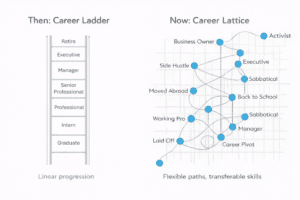
For a long time, career conversations followed a familiar script. Where does this role lead? What’s the next step? How does this fit into a five-year plan?
Those questions still come up, but they’re no longer driving decisions the way they used to.
We’re seeing candidates shift away from long-range career planning and toward something more practical: keeping their options open.
Instead of focusing on where a role leads inside one company, candidates are paying closer attention to what it offers right now. What skills will I build? How broadly will this experience apply? If circumstances change, will this role still make sense on my resume?
This shift shows up in small but telling ways. Candidates talk less about titles and more about skills. They care less about prestige and more about whether the work translates elsewhere. The ladder matters less than flexibility.
From the employer side, this can sometimes look like a lack of commitment. In reality, it reflects how the market has reshaped expectations. After years of restructures, hiring freezes, and sudden shifts, planning far ahead feels less realistic than it once did.
Flexibility has become a form of security.
This doesn’t mean candidates are disengaged or disloyal. It means they’re being deliberate. They’re choosing roles that allow them to adjust if things change.
For employers, this challenges traditional ideas about retention. Loyalty isn’t built on long-term promises or future titles. It’s built on whether a role continues to be relevant, valuable, and worth staying in.
Career planning hasn’t disappeared. But for many candidates, it’s been replaced by a simpler approach: making choices that don’t close doors too early.